Managing Multiple International Clients: The SEO Agency Guide

 Agency Management8 min read
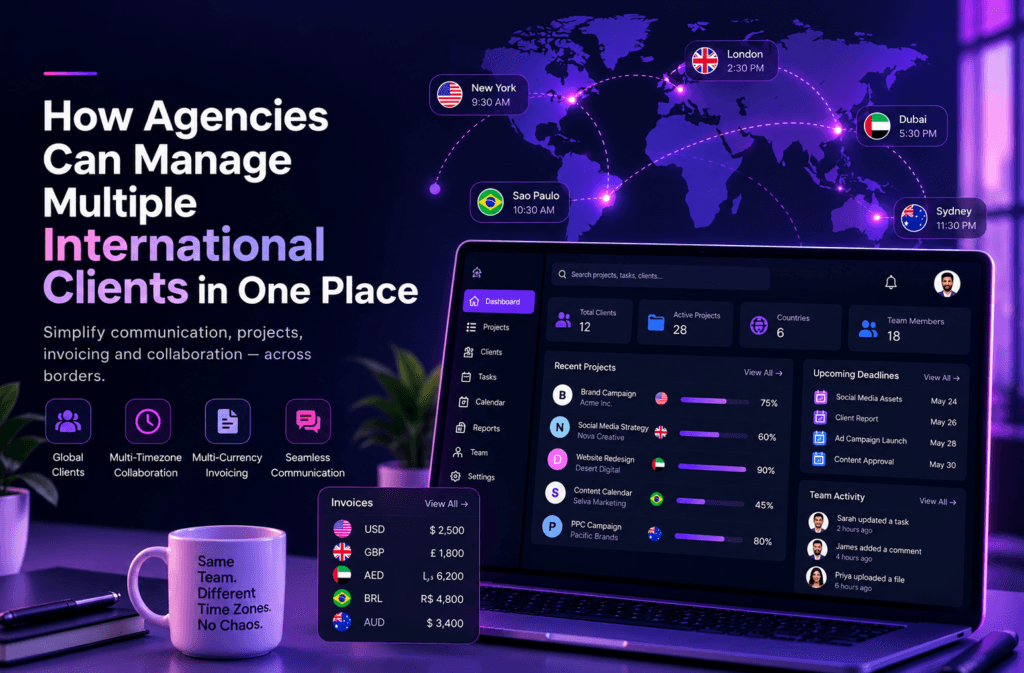
Agencies can successfully manage multiple international clients by using one platform for everything, from scheduling across time zones to handling multi-currency billing and communication. This stops the chaos of switching between too many apps, which often leads to burnout. While growing globally offers great opportunities, it can also create messy workflows. By using a single, unified system, agencies can grow their business smoothly without losing profit or client trust.
When your client list spans Tokyo, London, and New York, the usual way of working starts to break. Account managers wake up to 40 unread messages. Updates get buried across three different email threads. Invoicing turns into a mess of exchange rates and tax rules you didn’t sign up to learn.
When you manage multiple international clients, the usual way of working starts to break. Without something pulling all of this together, cross-border growth turns into burnout fast – missed deadlines, frustrated clients, and margins that quietly shrink.
Here’s how agencies that scale internationally without burning out actually run things.
1. Cut the Tool Sprawl with Centralized Workspaces
The real tax on working across time zones isn’t the time difference – it’s the constant context switching. Client conversations in WhatsApp, tasks in one app, files buried somewhere in Google Drive. Details fall through the cracks not because your team is careless, but because nothing lives in one place.
Managing clients across regions needs clear boundaries. One client should never see your internal team banter – and definitely shouldn’t catch a glimpse of another client’s work.
An international project global client management software built for multi-workspace setups solves this cleanly:
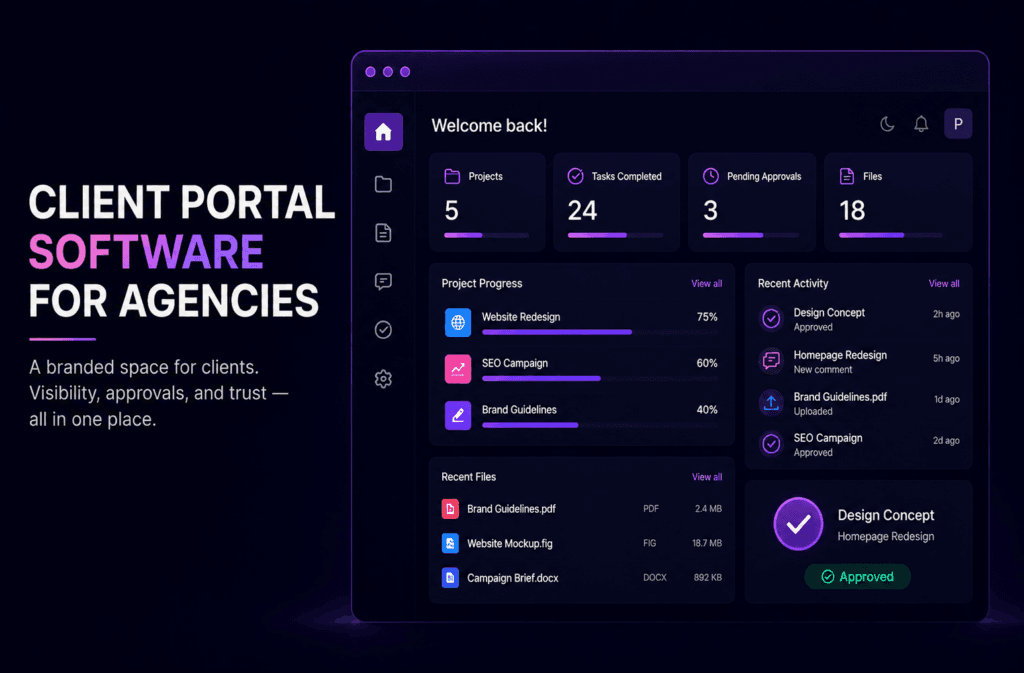
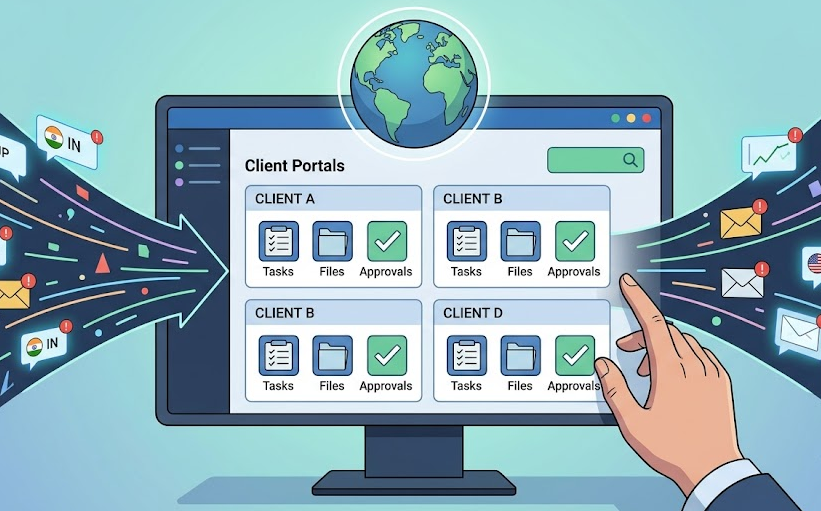
- Isolated client portals – a dedicated, white-labeled space where each client submits requests, reviews work, and approves assets without seeing your team’s internal view
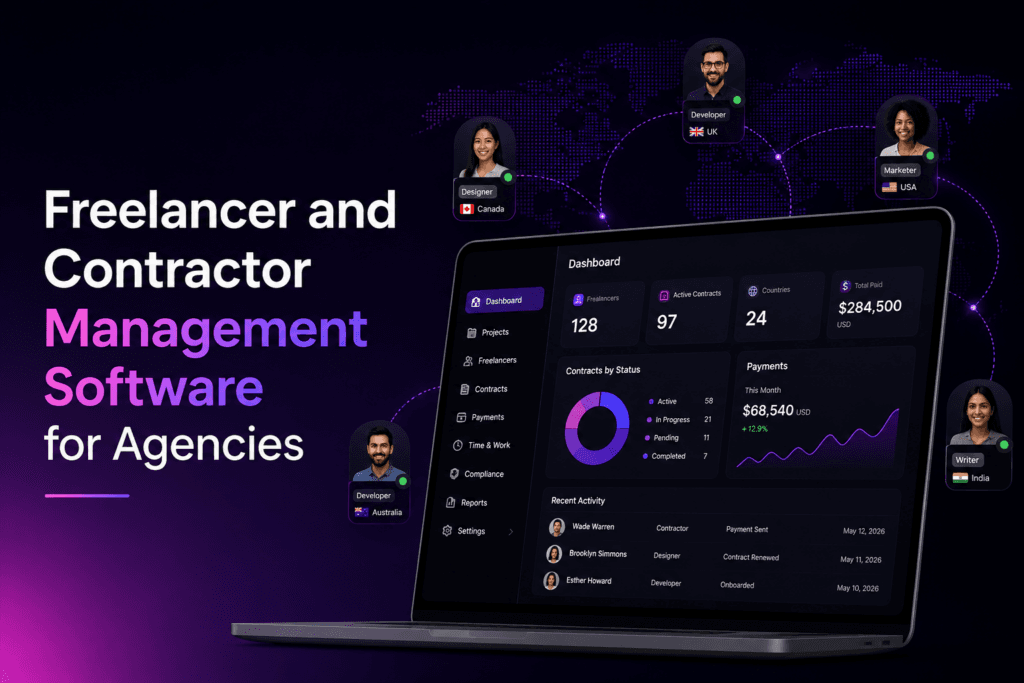
- Role-based access – freelancers and contractors only see what’s relevant to them, not every project’s budget
- Centralized files – final assets live next to the task itself, so no client has to ask for the same download link twice
Keeping each client’s workspace separate but centrally managed cuts down on admin work and keeps sensitive data where it belongs.
Explore detailed project management features – link to zynitoprojects.

2. Solve the Time Zone Problem with Async Communication
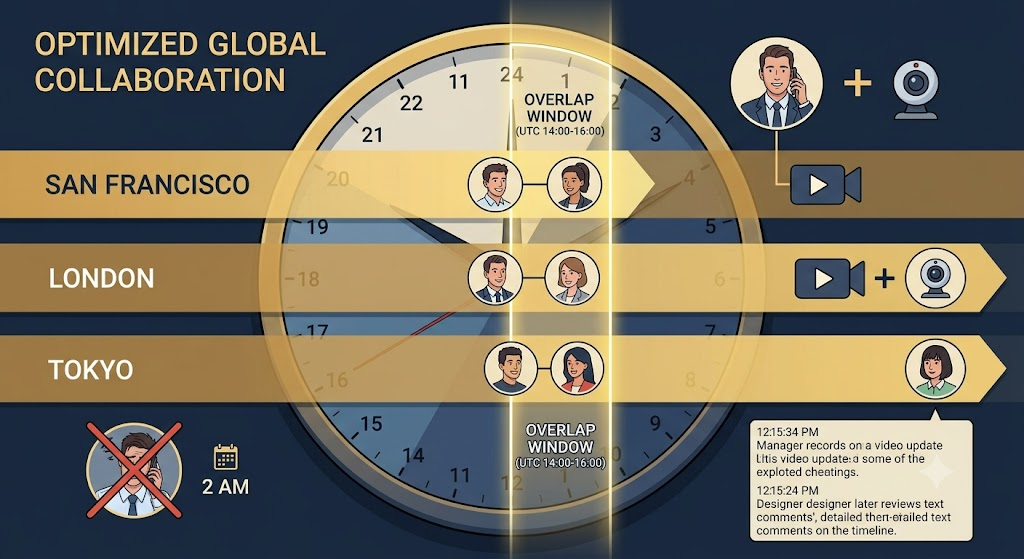
When you’re working across an 8-to-12-hour gap, live meetings stop being practical. Asking your team to join a call at 10 PM, or your client to hop on at 6 AM, wears everyone down eventually – and it shows in the relationship.
The agencies that handle this well move from a meeting-first culture to an async-first one. Instead of booking a 30-minute call to walk through a deck, account managers record a short video update. The client watches it whenever their day starts and leaves comments right on the asset.
A few things make this actually work:
- A defined overlap window. Pick a strict couple of hours each day when real-time responses are expected. Protect the rest of the day for focused work.
- Clear response-time expectations. Set this during onboarding – something like a 12–24 hour turnaround for non-urgent requests – so nobody’s left guessing.
- Over-explain context in every handoff. If a contractor in Manila wakes up to a vague brief from a manager in New York, that’s a whole work cycle wasted waiting for clarification.
Done right, async work protects everyone’s time while keeping projects moving around the clock.
When you manage multiple international clients, async communication is key to solving the time zone problem.
3. Get Multi-Currency Billing Under Control
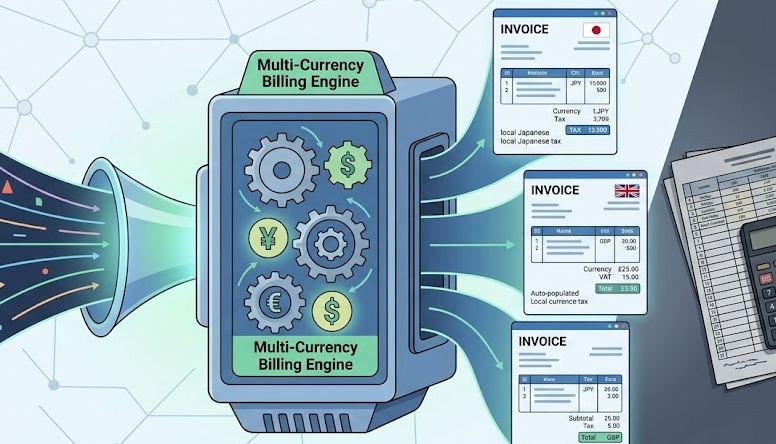
International accounts quietly bleed money through transaction fees, shifting exchange rates, and clunky billing. If your team is still converting currencies by hand and sending static PDF invoices, that’s real revenue slipping through every month.
Multi-currency invoicing software built into your project management stack closes that gap.
The capacity to manage multiple international clients hinges on getting billing under control.
| Invoicing Task | Manual Approach | Integrated System |
| Currency handling | One currency, converted by hand | Auto-converts at live rates per client |
| Payments | Wire transfers, high international fees | Built-in Stripe, Wise, and local rails |
| Tax compliance | VAT/GST worked out manually per country | Tax rules applied automatically by region |
| Retainer tracking | Spreadsheets, prone to error | Live tracking tied to logged hours |
A few habits that protect your margins here:
- Bill in your own currency when you can. If a client insists on local currency, build in a 3–5% buffer to absorb exchange rate swings.
- Automate recurring retainers. Auto-debit removes the delays that international banking otherwise adds.
- Track profit in one base currency. Regardless of what currency each client pays in, your team’s utilization and margins should live on a single dashboard.
4. Keep Project Timelines Unambiguous Across Regions
Projects get complicated when you manage multiple international clients, making timeline clarity vital.
“End of day Friday” doesn’t mean the same thing everywhere. It’s Friday afternoon in London, early Friday in San Francisco, and already Saturday in Sydney. Small ambiguities like this cause real friction when they pile up.
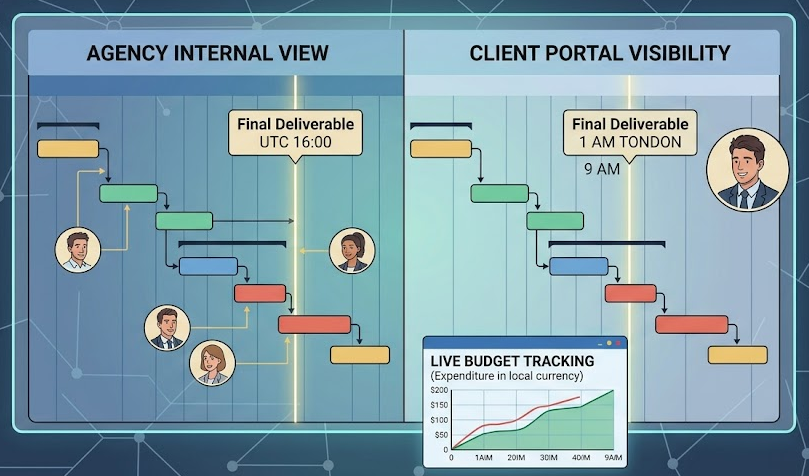
Zynito’s dashboard acts as a multi-timezone collaboration tool that automatically tracks and displays deadlines across time zones, removing the guesswork entirely.
- Pick a standard. Either display deadlines in each viewer’s local time, or anchor every major milestone to UTC.
- Build in handoff buffers. If a designer in Europe finishes at the end of their day, give the US-based strategist a 12-hour cushion before they need it for a client call.
- Track holidays across regions. A shared calendar showing time off across every team location saves you from scheduling around an offshore public holiday nobody remembered.
Dashboards help you manage multiple international clients by providing real-time visibility.
5. Give Clients Real-Time Visibility Into Performance
International clients want to see how their investment is doing, but pulling together custom slide decks for five time zones every month is a poor use of anyone’s time.
A centralized platform lets you build live dashboards clients can check whenever it suits them – no waiting on a monthly sync.
Worth including:
- Live project status – simple visual progress across phases
- Integrated analytics – pulled directly from ad platforms, analytics tools, and CRMs
- Time and budget tracking – a clear view of hours used against the retainer, so renewal conversations happen proactively instead of as a surprise
This kind of transparency builds trust on its own, and it saves your account managers real hours every month.
A consistent onboarding process is critical when you manage multiple international clients.
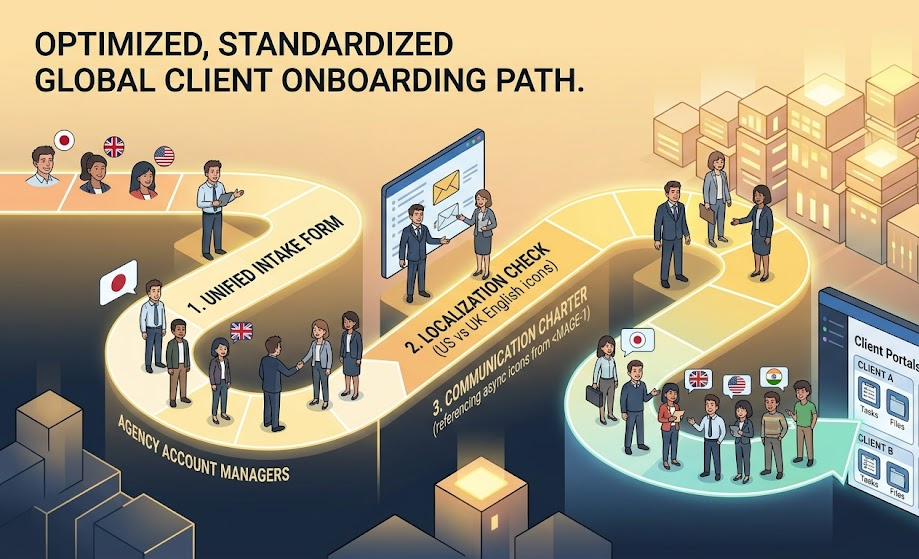
6. Build a Standard Onboarding Process for Global Clients
The first month of any client relationship sets the tone – and distance makes a disorganized start feel even worse. A consistent onboarding process reassures a new international client that they’re working with a team that has its act together.
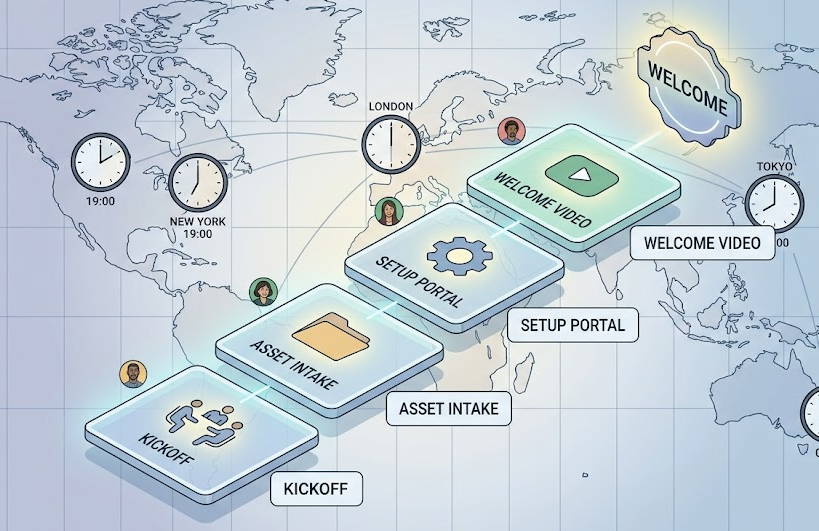
- One intake form. Collect brand assets, credentials, and briefs through a single questionnaire rather than a back-and-forth.
- Check for localization early. Spelling conventions (UK vs. US English), audience nuances, and cultural context should come up during kickoff, not three weeks in.
- Agree on a communication charter. Set clear expectations for channels, response times, and who to contact in an emergency.
- Give them a proper walkthrough. A short welcome video showing how to review work, leave feedback, and check invoices removes early confusion.
Choosing the right platform is the best way to manage multiple international clients.
7. Choose One Platform Instead of Five
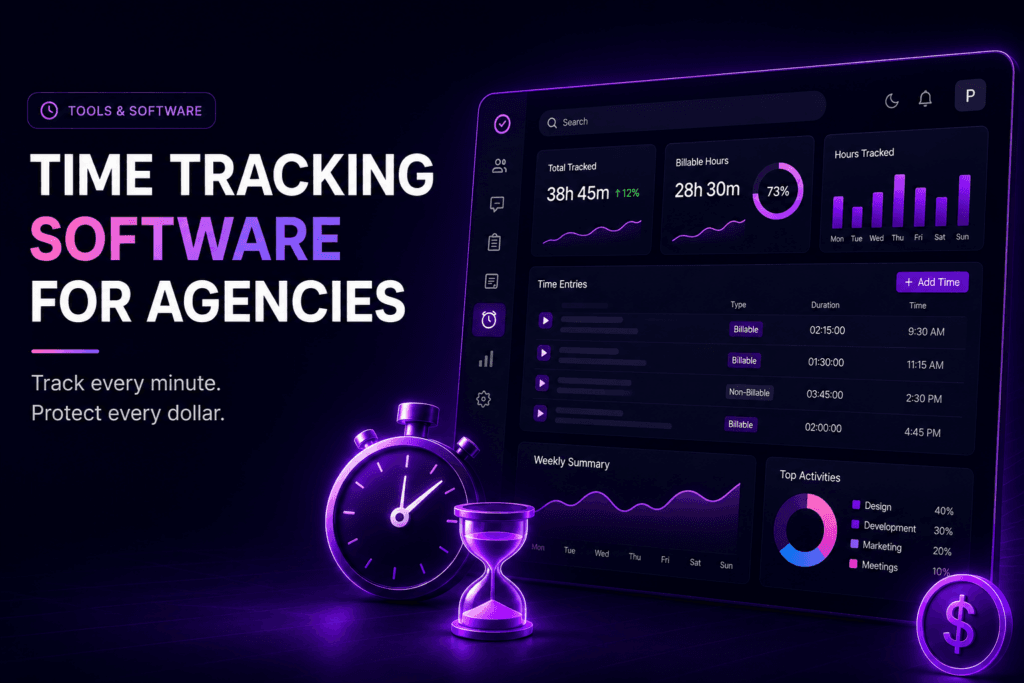
Piecing together separate tools for tasks, invoicing, files, and client chat creates data silos and adds up in cost. Zynito serves as the unified platform for all these tasks, featuring:
- A unified client record – contract terms, key contacts, regional preferences, and history in one place
- Cross-workspace reporting – leadership can see capacity, revenue, and resourcing across every account at once
- Built-in time tracking – so contractors and staff anywhere log hours against the right budget without extra tools
Consolidating onto one platform lowers your software spend, tightens data security, and gives leadership a real view into where the agency actually stands.
Moving away from fragmented tools, setting clear communication norms, and automating billing lets your agency manage international clients well – and scale into new markets without the growing pains.
Ultimately, the tools you use to manage multiple international clients determine your agency’s scalability.
FAQs
- How do agencies handle meetings across extreme time zone gaps?
Mostly by leaning on async communication – video updates and detailed notes instead of frequent live calls, with real-time meetings reserved for kickoffs or major milestones.
- What’s the best way to handle currency fluctuations on retainers?
Bill in your own currency where possible. If a client needs local currency, use multi-currency billing software and build in a 3–5% buffer for exchange rate movement.
- How do you protect client data across international accounts?
Role-based access controls, staying compliant with regulations like GDPR and CCPA, and never mixing client files on a shared drive.
- Is it worth hiring regional account managers?
It tends to pay off once you have enough clients concentrated in one region – a local presence helps with both time zones and cultural nuance.
- How do you keep distributed teams aligned on deliverables?
A centralized project hub with clear task ownership keeps everyone accountable, no matter where they’re logging in from.
Ready to eliminate tool sprawl and run your global agency from one central hub?
Try Zynito free – centralize every client workspace and give clients full transparency into their projects; free trial for 14 days and no credit card required.
Run your agency from one platform
Projects, client communication, and team chat together in Zynito.